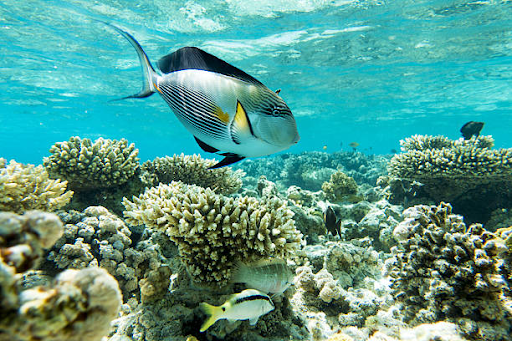
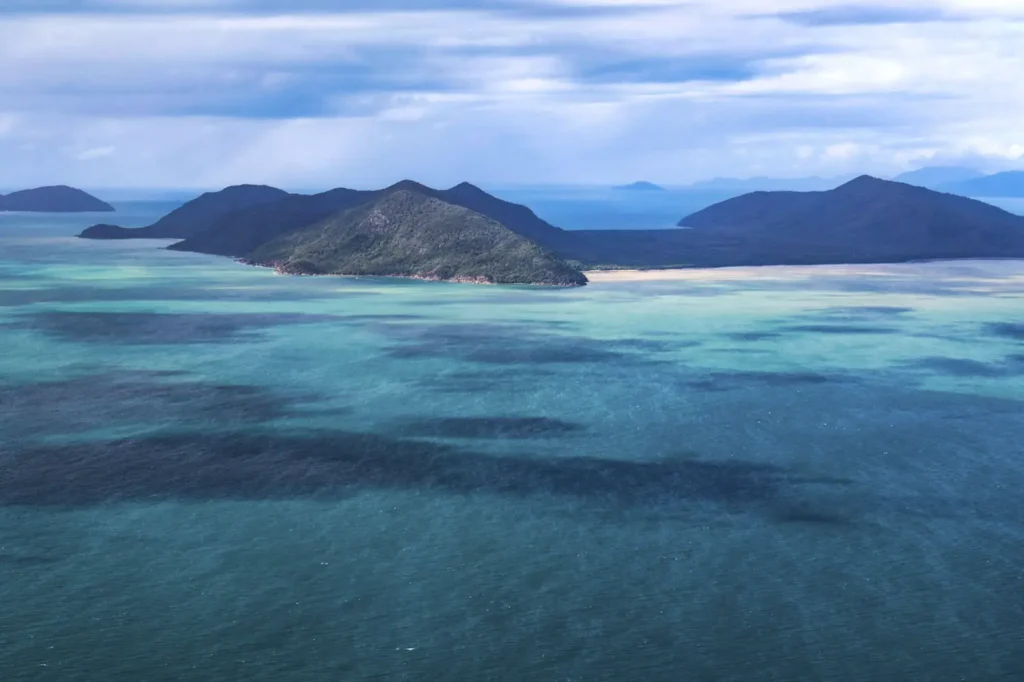
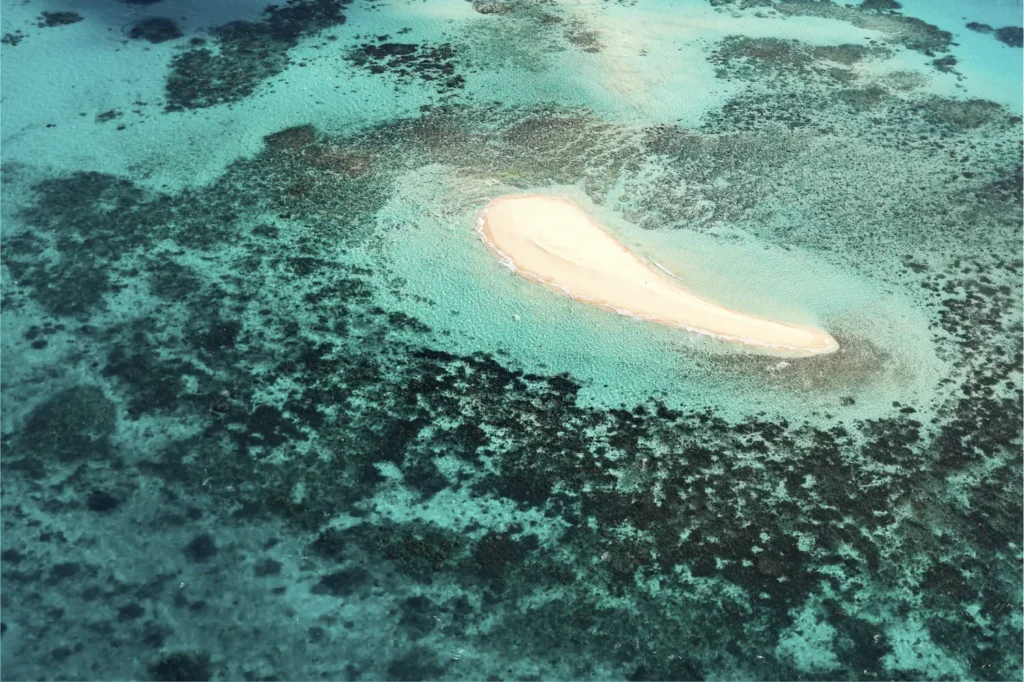
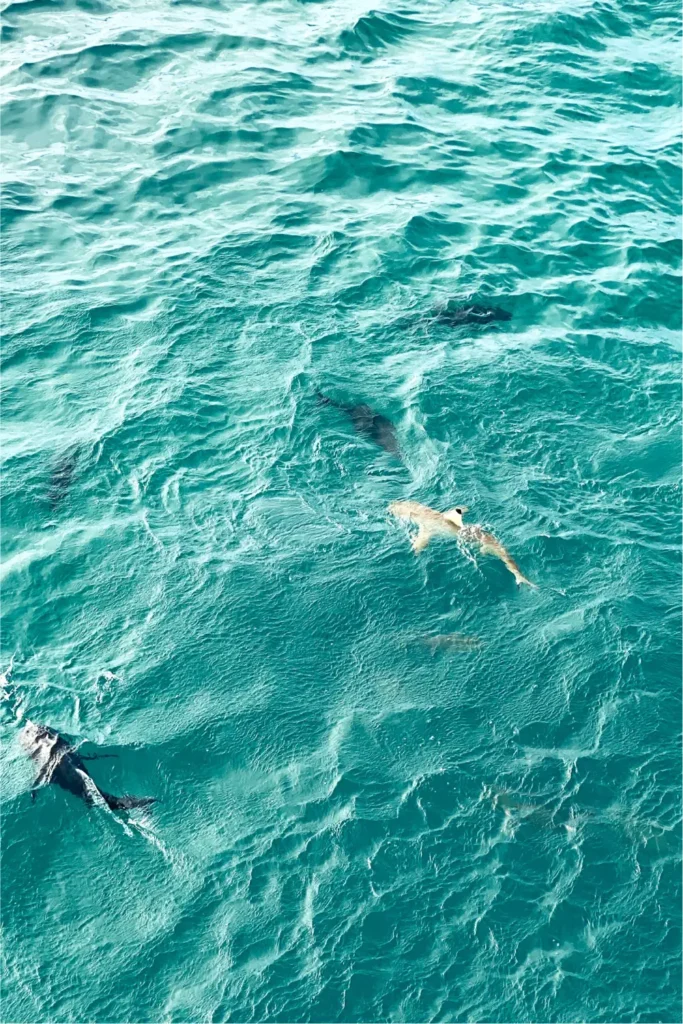
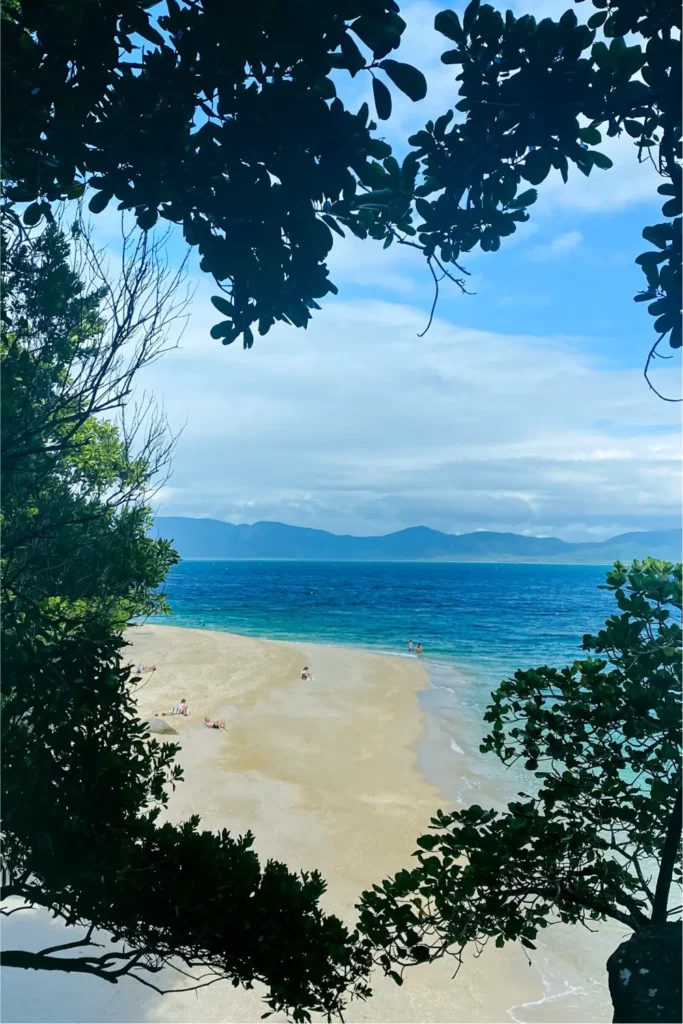
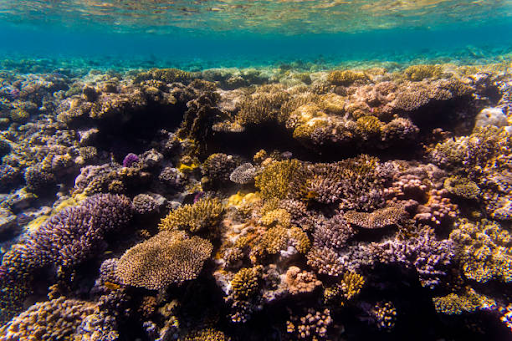
The Great Barrier Reef, an enchanting undersea world, is a wonderland that offers an unparalleled spectacle of diverse marine life. Stretching more than 2,300 kilometres along the north-east coast of Australia, it’s the world’s largest coral reef system. This UNESCO World Heritage Site is home to an astonishing variety of marine life, including more than 1,500 species of fish, 400 species of coral and a host of molluscs, starfish, turtles, dolphins and sharks.
Why Snorkeling?
Snorkelling is the gateway to exploring this breathtaking underwater spectacle. It’s easy to learn, requires minimal equipment and is suitable for all ages, making it an accessible and popular choice for many visitors. What’s more, snorkelling allows you to traverse the vibrant coral gardens and come face-to-face with the reef’s colourful inhabitants, all while leaving a minimal environmental footprint.
Top 10 Snorkeling Spots in the Great Barrier Reef
Every site on the Great Barrier Reef offers unique encounters, from playful clownfish to majestic turtles and stunning coral formations. To help you navigate this underwater maze, here are the top 10 snorkelling spots on the Great Barrier Reef.
Lady Elliot Island
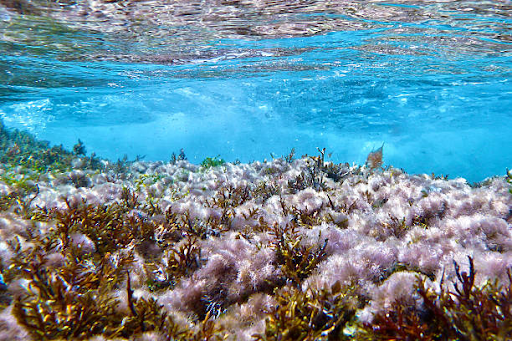
Start your underwater adventure on Lady Elliot Island, a coral cay at the southern tip of the Great Barrier Reef. Known as the ‘home of the manta ray’, this sanctuary boasts crystal clear waters and a thriving marine ecosystem. Here you can swim with manta rays, turtles and a variety of vibrant fish.
Heron Island
Next on the list is Heron Island, an unspoilt natural paradise renowned for its spectacular coral reef and abundance of marine life. Here, snorkellers can enter the reef directly from the beach, making it perfect for beginners. See vibrant coral gardens teeming with parrotfish, clownfish and even reef sharks.
Hamilton Island
Another snorkeller’s paradise, Hamilton Island is the largest inhabited island in the Whitsundays, making it a prime base for reef exploration. One of the standout features is the fringing coral reef, which is easily accessible for snorkellers. Here you can float above a realm of incredible biodiversity and see a wealth of marine life.
Hamilton Island Snorkeling Highlights
| Key Feature | Details |
| Accessibility | Direct access from the beach |
| Marine Life | Turtles, Clownfish, Butterflyfish |
| Best Time to Visit | April to November, during the dry season |
Hayman Island
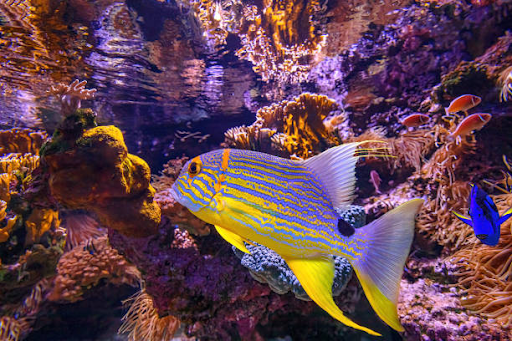
Nestled in the heart of the Great Barrier Reef, Hayman Island has unspoilt beaches and coral reefs teeming with life. One of the most famous spots is Blue Pearl Bay, renowned for its vibrant corals and diverse fish life.
Hayman Island Snorkeling Highlights
| Key Feature | Details |
| Accessibility | Short boat ride from the beach |
| Marine Life | Maori Wrasse, Parrotfish, Stingrays |
| Best Time to Visit | May to September, when the water is calmest |
Agincourt Reef
Agincourt Reef is a chain of ribbon reefs on the outer edge of the Great Barrier Reef. It offers pristine snorkelling and is renowned for its clear waters, abundant marine life and stunning coral formations.
Top 3 Highlights of Agincourt Reef:
- Diversity: Agincourt Reef is home to over 200 species of coral and countless species of tropical fish.
- Clear Waters: Thanks to its location on the outer reef, Agincourt has some of the clearest waters in the Great Barrier Reef.
- Accessibility: A number of Great Barrier Reef tour operators offer day trips to Agincourt Reef from Port Douglas, with all snorkeling equipment provided.
Safety Tips and Guidelines for Snorkeling in the Great Barrier Reef
When planning your snorkelling adventure on the Great Barrier Reef, it’s important to consider your safety and the protection of the reef.
5 Important Safety Tips:
- Be Aware of Your Fitness Level: Ensure you’re physically fit to swim in the sea and handle currents.
- Buddy Up: Never snorkel alone. Always have a buddy with you for safety.
- Respect the Reef: Avoid touching the coral or any marine life to protect the delicate reef ecosystem.
- Stay Hydrated: The sun can be intense, so drink plenty of water to prevent dehydration.
- Listen to Your Guide: Your guides are knowledgeable about the reef and its conditions. Follow their instructions at all times.
Overall
Snorkelling the Great Barrier Reef is a magical, once-in-a-lifetime experience. From the southern tip of Lady Elliot Island to the outer reaches of Agincourt Reef, each location offers its own unique marine encounters. Just remember that while we’re visitors to this underwater world, it’s our responsibility to respect and protect it. So whether you’re a snorkelling novice or a seasoned veteran, grab your snorkelling gear and dive into an unforgettable adventure on the Great Barrier Reef.
Frequently Asked Questions
1. When is the best time to snorkel in the Great Barrier Reef?
The best time to snorkel in the Great Barrier Reef is during the dry season, from May to September, when the water is calm and visibility is high.
2. Do I need any special training to snorkel in the Great Barrier Reef?
No special training is needed for snorkeling, but it is recommended that you are comfortable swimming and have basic knowledge about using snorkeling equipment.
3. Can I touch the coral or marine life while snorkeling?
No, it’s crucial to respect the marine life and avoid touching or stepping on coral to preserve the delicate ecosystem.
4. What should I do if I encounter a dangerous marine creature while snorkeling?
Always maintain a safe distance from all marine life. If you encounter a potentially dangerous creature, remain calm, slowly back away, and inform your guide or Great Barrier Reef tour operator.
5. What if I’m not a strong swimmer? Can I still snorkel in the Great Barrier Reef?
Yes, many snorkeling spots in the Great Barrier Reef are suitable for beginners, and flotation devices can be used. Always inform your guide about your swimming abilities so they can ensure your safety