Kings Canyon, located in Watarrka National Park, is a must-visit place for animal lovers and nature enthusiasts alike. Kings Canyon is situated in the Northern Territory of Australia, which is known for its rough terrain. The area also boasts an attractive geological landscape with large rock formations as well as various beautiful plants and animals. Besides towering sandstone walls, there are watering holes that provide perfect opportunities for watching wildlife in their natural habitats. This manual will enable travellers to go through major points within the park and offer knowledge of the different types of animals found within it.
Where is Watarrka National Park?

Watarrka National Park can be found about 323 kilometers (200 miles) southwest from Alice Springs, one among major towns in the Northern Territory. To get there, use Luritja Road because it lies at the heart of Australian arid centre; this means that when driving into this park you will pass through most famous terrains in Northern Territory including outback ranges and desert landscapes.
Situated about 323 kilometers or 200 miles southwest of Alice Springs which is one of the major towns in Northern Territory. Accessing it from there involves going through Luritja Road since it is right at the centre of the Australian arid centre. Most renowned terrains in Northern Territory including outback ranges as well as desert landscapes are traversed when driving into this park.
What is the size of the national park?
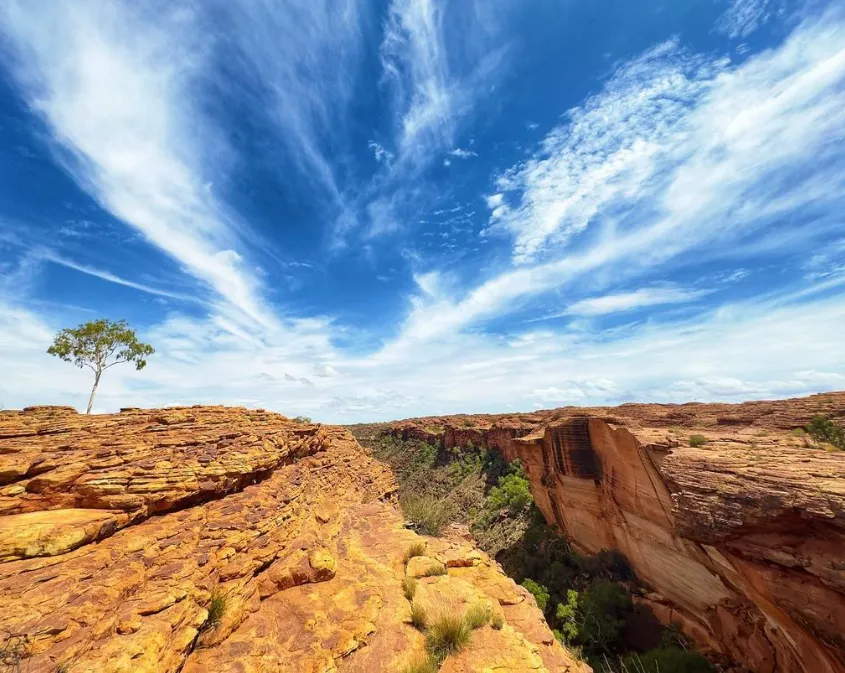
The area covered by Watarrka National Park is around 1000 square kilometers or 386 square miles. This vast space consists of different types of land such as rocky domes, canyon walls, dense forests and permanent waterholes. It is the variation in sizes that creates many similar environments where various kinds of plants and animals can thrive.
King’s Canyon: A Place for Many Ecosystems
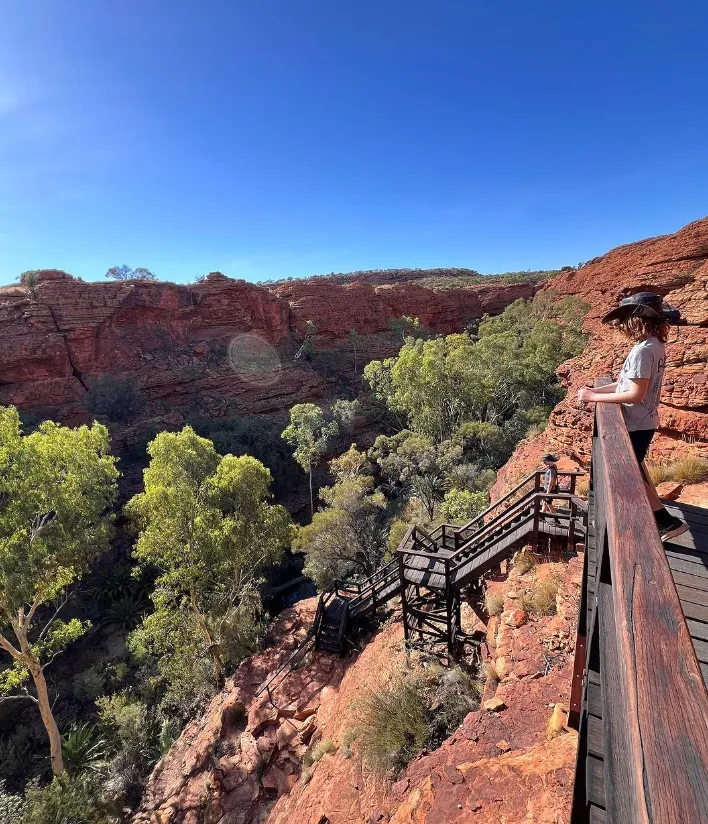
Sandstone domes are a unique feature of this system, with great rock formations jutting out from them; no other system anywhere else in the world has structures like these. The pockets of green along secreted creek oases within steep-sided gorges provide relief while barren vegetation takes over rocky hillsides outside this refuge, revealing some dry landscapes beyond. It is through these mixtures that offer diverse habitats within this mosaic of ecosystems, thus making us happy when we see different species here and there, which are also connected with beautiful aboriginal cultural heritage grounded on land that presents aesthetic value.
Spot Wildlife
To see animals at Watarrka National Park, visitors must know the different types of habitats found in the park and also the best time to visit. Game drives are most productive during cool early mornings and late afternoons when there is increased animal activity and reduced temperatures. King’s Canyon Rim Walks and King’s Creek Walks are recommended as they cover a wide range of features from thick palm groves to dry creek beds.
Main Habitats In The Area
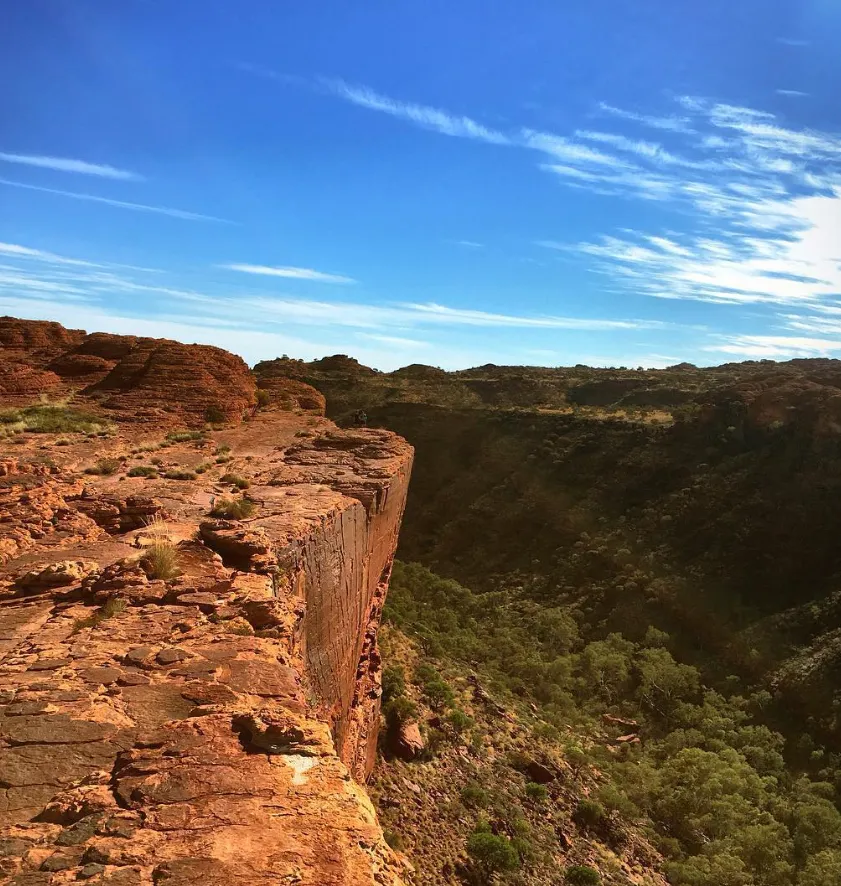
Gorges and Waterholes: Places like Kathleen Springs, Kings Creek, and other permanent water sources within this region offer drinking points and safe havens for animals. Many different species can be seen here because they love these lush oases.
Rocky Outcrops And Cliffs: In addition extreme harshness, some exposed rock formations such as its rocky domes or stony canyon walls provide perfect homes too.There are black-footed rock wallabies among other creatures which can be found in this area.
Desert and Arid Zones: Protected by creeks with dense forests where red kangaroo lives; this reserve has an arid environment that supports unique fauna like thorny devil.
Thorny Devils
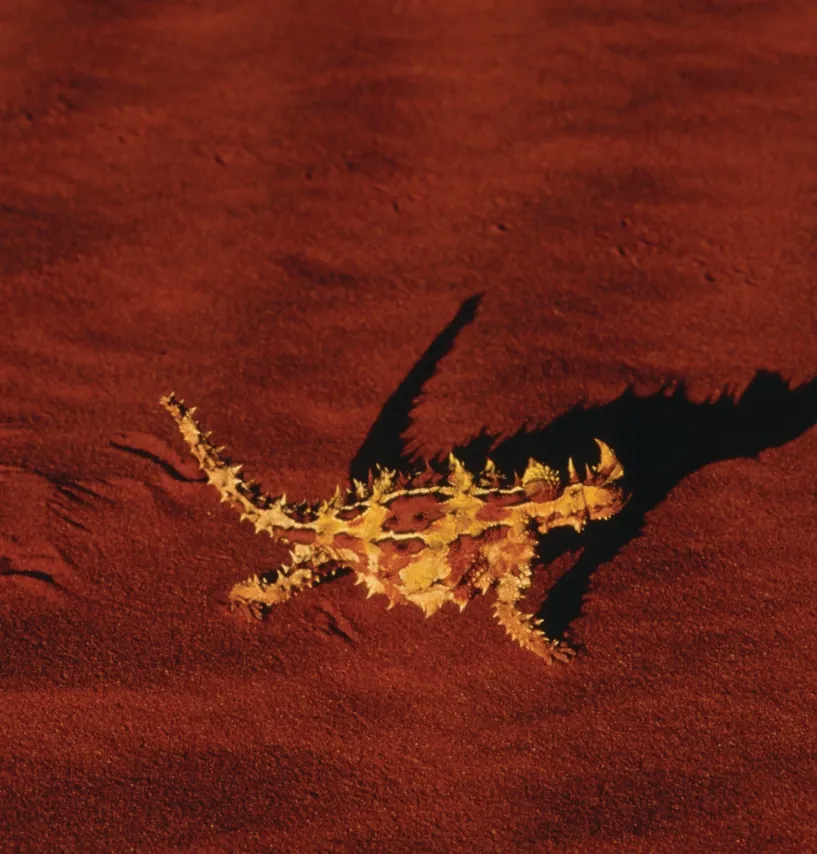
Among the reptiles that can be found in Watarrka National Park, Thorny devils (Moloch horridus) are also known as one of the most interesting. Unlike other lizards, they have bodies covered in spines with sharp projections resembling thorns that protect them from predators. These amazing creatures have evolved over time to survive in the harsh conditions of the Northern Territory’s desert. Small scales are used through their skin, and water is absorbed and directed towards the mouth after raining on them. This feature becomes important because these animals inhabit dry areas where there is not much water available. Such adaptations may be observed on rocks where they sunbathe or move slowly across sandy regions while searching for ants, which form their main food source. The thorny devil moves very slowly but always intentionally; besides this, its scary appearance alone guarantees any person an unforgettable impression during his or her stay here.
Emus
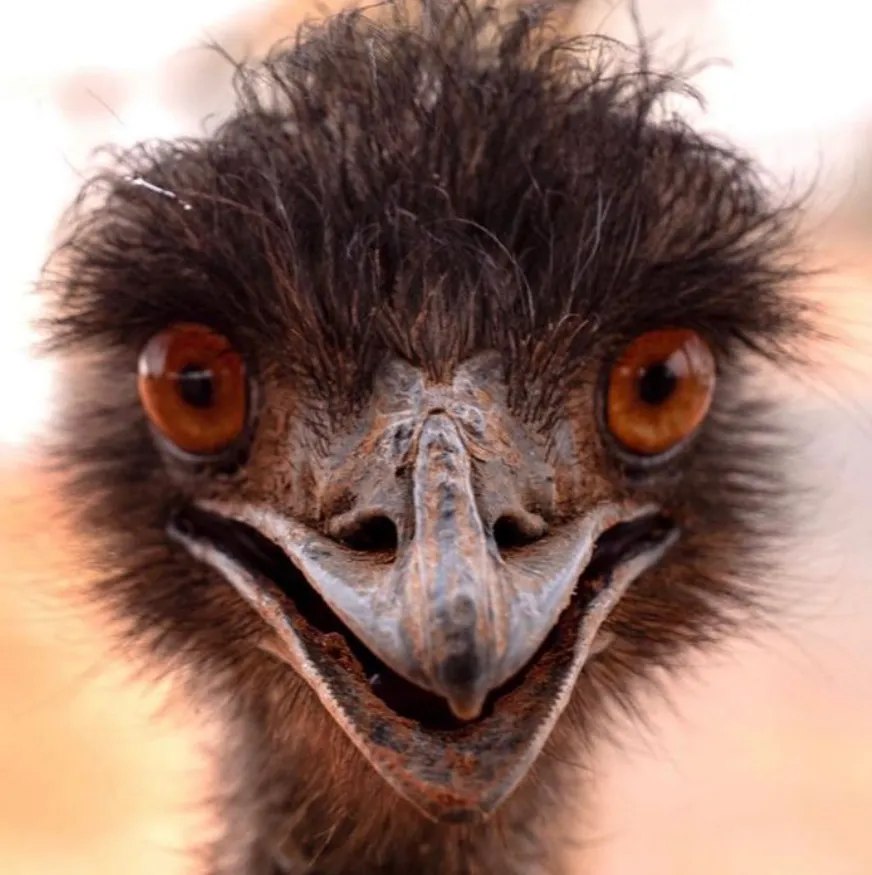
Watarrka National Park is home to a number of emus. Emus are large birds that cannot fly and usually inhabit open grasslands, although they can be found in other places as well. They are the second tallest bird in the world, averaging about 2 meters in height and having long necks and legs. The diet of these animals consists mainly of small insects and seeds among other tiny organisms, which may be abundant around different parts of the park at different times throughout the year depending on seasons during which they become more active, especially in colder months, so that visitors coming here during such periods should easily see them. Emus can survive anywhere across Australia because they have a great ability to adapt themselves to its climate while searching for food or water over vast distances. If there were no emus here, it would mean that our ecosystem was seriously affected because their absence disrupts seed dispersal, which is vital for plant-insect equilibrium maintenance.
Mala (Rufous Hare Wallaby)
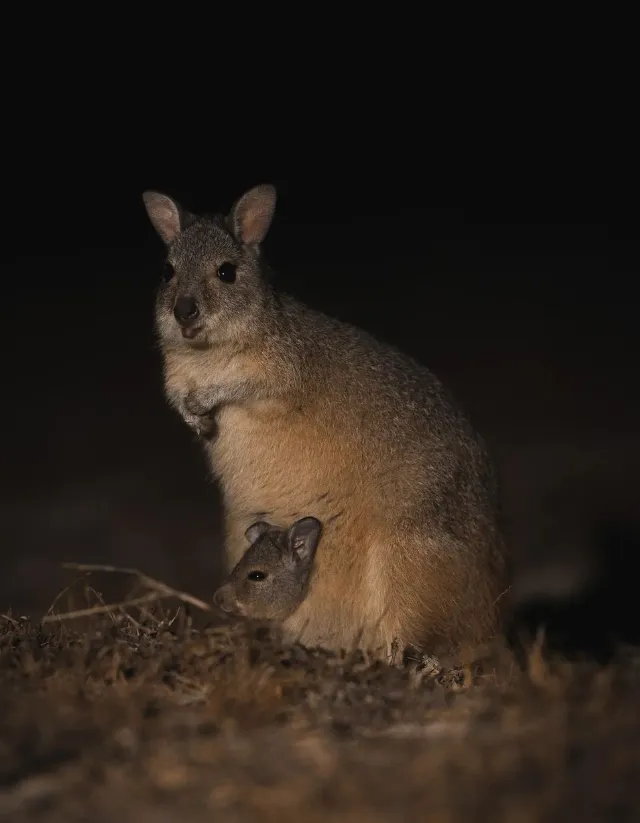
Not long ago, a small marsupial called the mala or rufous hare wallaby (Lagorchestes hirsutus) was given another chance at life in Watarrka National Park. This species was once found here until it vanished mainly because of habitat loss and predators, too. However, now they are being successfully reintroduced into some more remote parts of the park where they will not be disturbed as much. These animals like living in thick woods near natural water sources where they can hide from their enemies and also get something to eat there. As for their appearance – such reddish-brown fur helps them blend well with the environment so that wildlife enthusiasts may never see one; moreover, they have a shy character, which does not make them an easy target for any carnivore either. The reason behind bringing back these cute creatures lies within broader efforts aimed at rehabilitating ecosystems throughout the reserve, thus ensuring the survival of this unique kind.
Desert Dingos
The Australian Outback is a place where desert dingoes live. They can survive here as they are known to be tough animals that can withstand harsh conditions. These territories and hunting grounds are located in the more remote areas of Watarrka National Park. Small mammals, birds and reptiles make up most of their diet, but sometimes they also eat carrion. When night falls or early morning comes, one may see these creatures roaming around the park looking for food. This animal’s ability to adapt itself even in difficult situations demonstrates its resilience and strength. Visitors are able to identify them by the increased number of prey species found at parks.
Bilbies

Rabbit bandicoots or nocturnal bilbies (Macrotis lagotis) inhabit arid parts of Watarrka National Park. With long ears resembling those of rabbits and snouts that assist them in digging out insects, seeds and tubers that constitute their diet, these tiny animals are unique creatures indeed. It is common for bilbies to dig complex network systems of burrows, displaying an underground life characteristic meant for safety against hostile environmental factors, as well as to serve as protection from predators. In order to watch over these marsupials, you will need some patience because they tend to be nocturnal and seldom seen during daylight hours. Therefore, this occurrence reflects ongoing efforts aimed at conserving all forms of life found within this reserve, thereby safeguarding endangered species against further depletion.
Black-footed Rock Wallabies

Petrogale lateralis, also known as black-footed rock-wallaby due to its agility in negotiating rocky areas, is called so. Amongst steep rocky terrains that are found around rough outcrops or cliff faces within Watarrka National Park, where they dwell and move easily because of their excellent climbing abilities, this can only describe black-footed wallabies. Their tails are used for balance on uneven surfaces and during climbing activities while still allowing stability even if the ground beneath them may not be very firm enough to support their weight entirely. The mornings and evenings are the best times to see these animals as they become active early in the morning and late in the afternoon when most park users will be present. They have evolved specific adaptations for living in extreme environments, thus making them unique from other species found within this reserve.
Blue-tongue Lizards
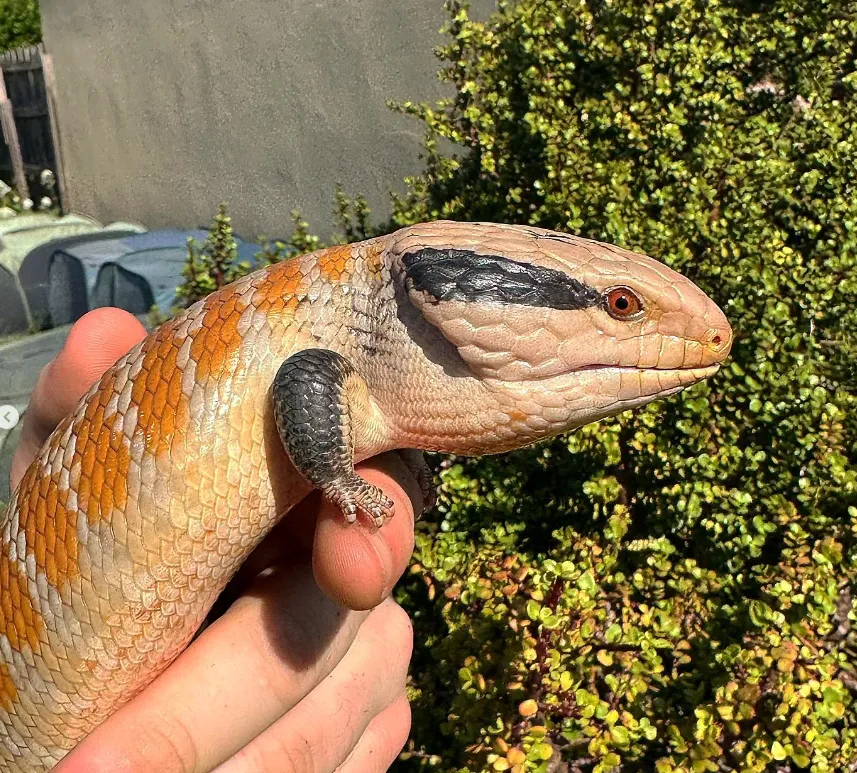
In Watarrka National Park, it is easy to identify Tiliqua spp by their large heads, which have wide bodies with blue tongues. These types of reptiles move slowly, basking under the sun on rocks or feeding on vegetation within the reserve during warm days, hence their common name, ‘blue tongue’ lizards. When a predator threatens them, these lizards open up their mouths wide, revealing bright blue coloured tongues meant to scare enemies away from attacking them by appearing larger than what they actually are physically capable of defending themselves against such threats alone without any external help whatsoever being provided at all times whenever needed until the situation changes itself naturally eventually over time passes by slowly but surely. Insects form part of its diet together with plants plus small invertebrate species, being consumed regularly throughout its life span depending upon availability within an area occupied by these cold-blooded creatures at different times throughout the year-round cycle without fail ever from birth until death do us apart happens naturally.
Centralian Tree Frog
Commonly found in the temperate parts of Watarrka National Park are Centralian tree frogs (Litoria gilleni), which prefer waterholes and dense forests. They are known to become more active during the colder months, and they make their specific calls most often in the evening. The size of these frogs’ bodies and their vibrant green colour are what sets them apart from other types of tree frogs. To survive when there is little water available at the park, these amphibians use temporary pools as breeding grounds before going into hibernation through the dry season. Such an animal can only be seen by those who have very keen eyesight and acute hearing because it hides well among the rocks or trees during the day and then comes out at night, making a noise like hissing snakes that make nocturnal life tapestry within this reserve rich in variety.
Conclusion
With its breathtaking landscapes and diverse wildlife species Kings Canyon is undoubtedly among the top places you should not miss visiting while at Watarrka National Park. It has towering sandstone cliffs that are decorated with rugged mountain ranges, thus creating a perfect backdrop against which different kinds of plants, as well as animals, can thrive; this, therefore, makes it such an amazing destination for anyone looking forward to adventure here whether they want to hike along King’s canyon rim track or see unusual rock wallabies. Watarrka National Park remains unmatched!
FAQ
Which is the best season to go to King’s Canyon to see wildlife?
During winter and early spring, when the animals are most active and the temperatures are cooler
Are guided tours offered in Watarrka National Park?
Yes, Kings Canyon tour operators in the area can provide information about different guided trips, such as park exploration or animal watching.
What should I pack for my trip to Kings Canyon?
Bring hiking gear and other appropriate clothing, lots of drinking water, sunblock, a camera (for the incredible views) and a map or GPS if travelling on unsealed roads.
Does Kings Canyon Resort have any facilities?
The resort has public toilets and emergency contacts staffed by park management authorities. Commercial accommodation with Wi-Fi access is also available in various parts of the property for added convenience.
How do I get to Watarrka National Park from Alice Springs?
After you leave Alice Springs, follow Luritja Road and other connecting routes. Note that some of these may not be sealed, so it’s important to have a suitable vehicle, especially during hotter months.