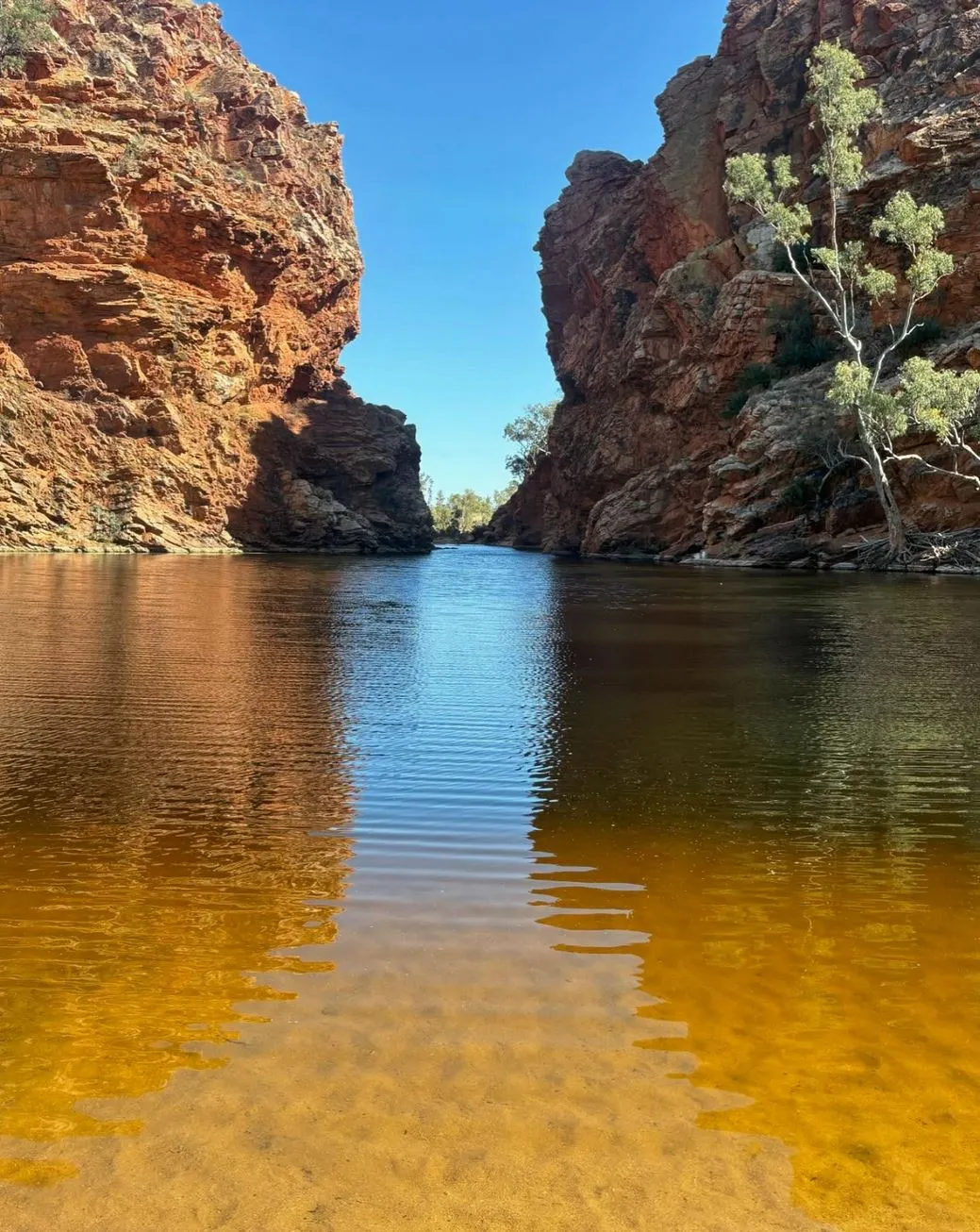
Most people hear about crystal clear waterholes hidden in the red folds of the West MacDonnell Ranges, but the real question is, which gorges or waterholes are safe to swim in on a West MacDonnell Ranges Tour? — is one every outback wanderer should ask. I’ve guided many tours through this part of Central Australia, and let me tell you — knowing where it’s croc-free, clean and permitted to swim can mean the difference between a magic dip and a close call.
Out here, the desert hides more life — and more water — than you’d expect. From the sacred ochre cliffs of Ormiston Gorge to the ghostly stillness of Ellery Creek Big Hole, the Territory can go from bone dry to flash flooded in a heartbeat. Before you strip down for a dip, it pays to be smart about safety, signage and seasonal conditions.
Why Swimming Safety in the Red Centre Matters
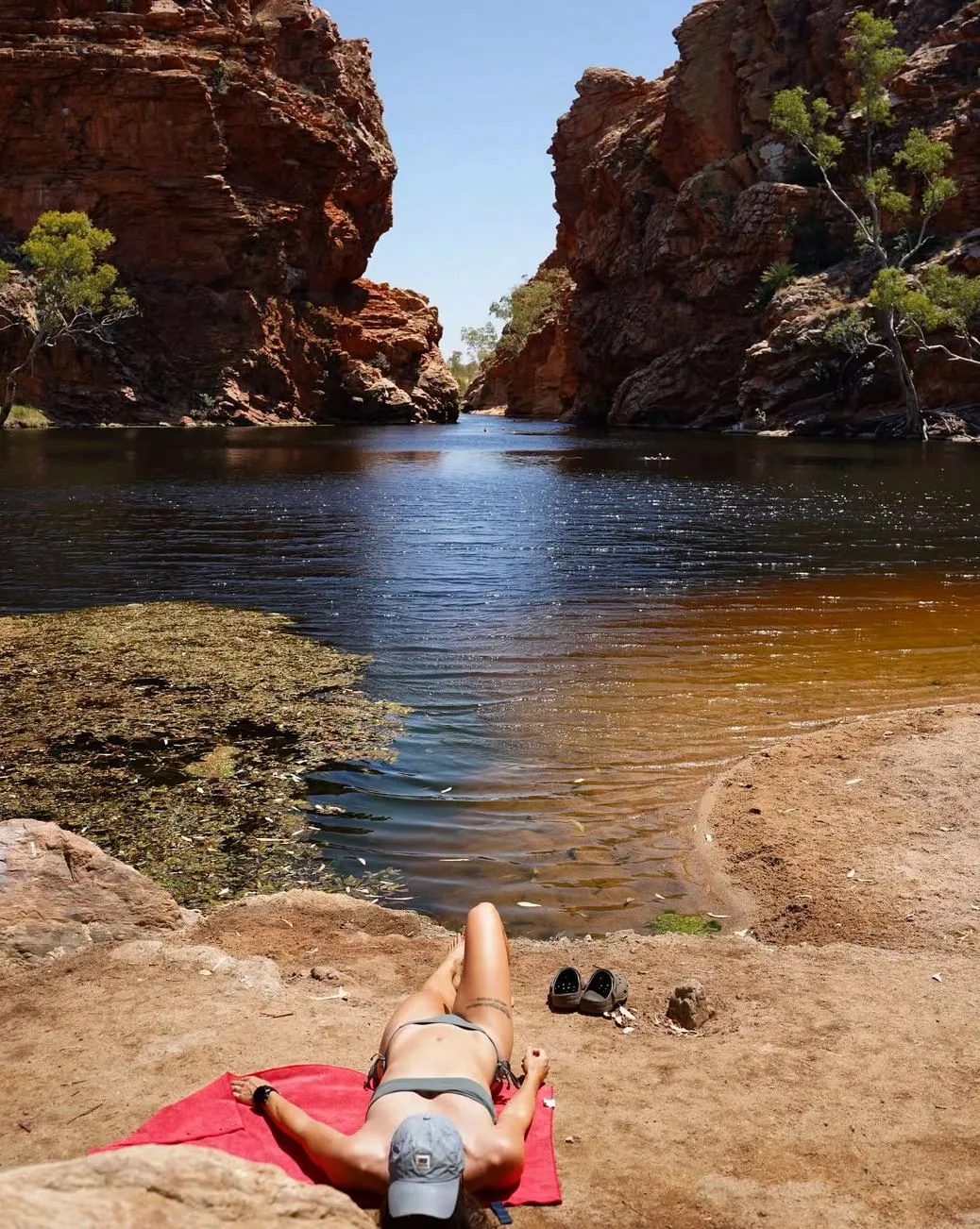
The West MacDonnell National Park is rugged, remote and full of surprises. While most of its swimming holes are safe under the right conditions, some can become deadly traps during heavy rains or heatwaves. Even experienced guides with Uluru Ayers Rock Tours check with park rangers daily before letting guests dive in. Flash flooding, submerged logs, hidden rocks and electrical storms are just part of the mix. Add to that the cultural sensitivity of some sites — many are sacred to local Arrernte people — and it’s clear why swimming here is about more than just beating the heat.
The West Macs at a Glance
| Gorge or Waterhole | Safe for Swimming | Facilities | Warnings | Best Time to Visit |
|---|---|---|---|---|
| Ellery Creek Big Hole | Yes (designated swimming area) | Toilets, picnic tables | Cold water, slippery rocks | April – September |
| Ormiston Gorge | Yes (clear, deep pool year-round) | Café, toilets, ranger station | Strong currents after rain | May – August |
| Redbank Gorge | Yes (experienced swimmers only) | Car park, no lifeguard | Submerged rocks, cold water | June – September |
| Glen Helen Gorge | Yes (seasonal flow) | Resort, public toilets | Flash flooding risk | April – July |
| Serpentine Gorge | No swimming | None | Cultural site, deep sacred pool | N/A |
| Simpsons Gap | No swimming | Toilets, shaded area | Sacred site | N/A |
Each of these places tells a story — not just of geology but of Aboriginal culture, ecology and endurance. The Aboriginal name of each gorge often reflects its natural character or ancestral significance. For example, Ellery Creek is known to the Western Arrernte as Udepata — a key waterhole in their Dreaming storylines.
Seasonal Safety
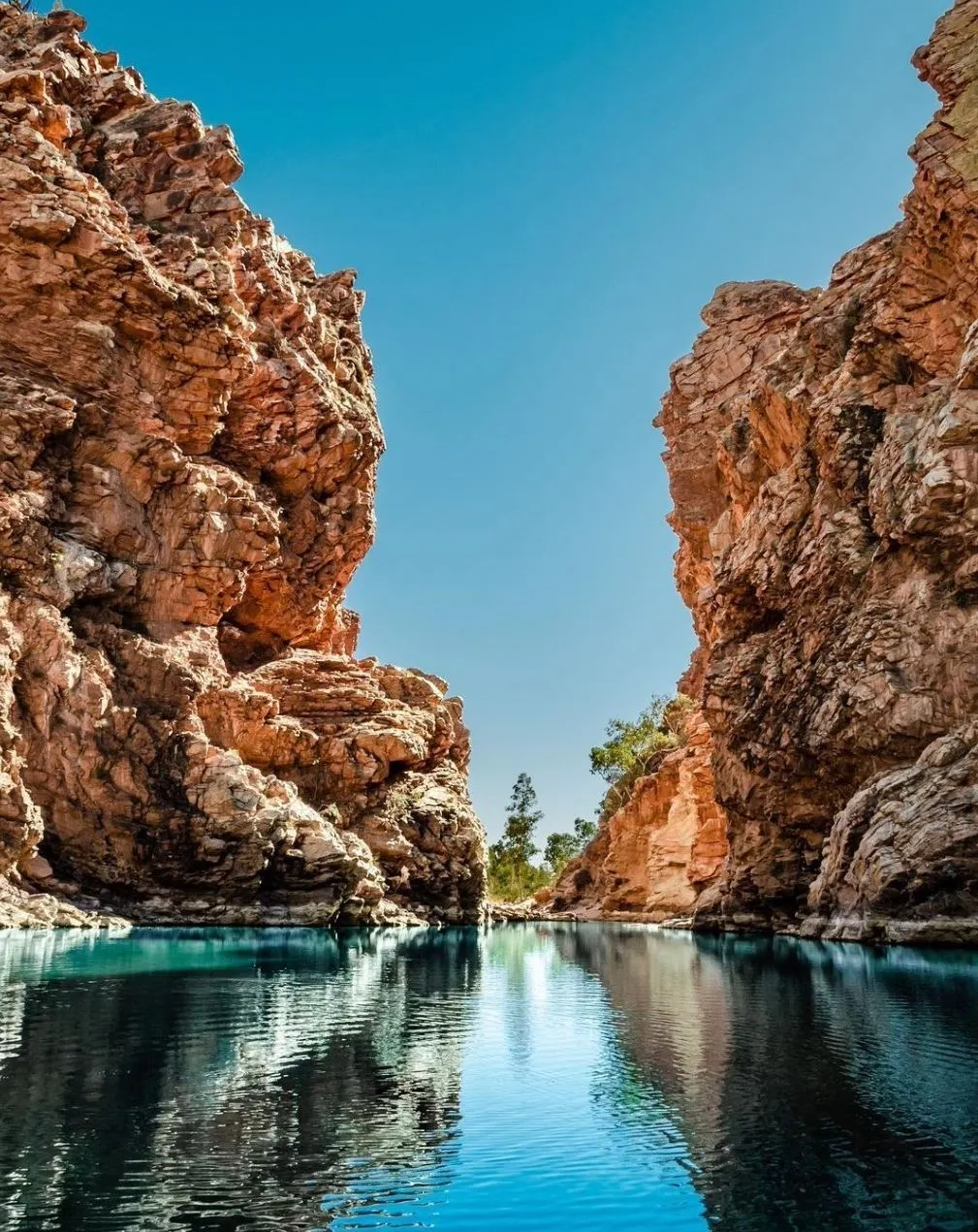
During the wet season (November to March), the Red Centre can experience sudden flash flooding, lightning and electrical storms. What looks like a dry creek bed in the morning can become a roaring torrent by afternoon. Always check with ranger stations or tour guides before heading out.
In the dry season (April to September), the conditions are calmer — but don’t underestimate the chill. These pools are icy cold year-round, fed by underground springs and shaded cliffs. Hypothermia is a real risk if you linger too long.
And don’t forget heatwave warnings in summer. Even if the water looks inviting, walking back to your car or camp in 40°C heat can knock you flat. Carry more water than you think you’ll need — at least 5 litres per person — and avoid walking in the midday sun.
Local Tips from the Track
- Always swim in designated swimming areas only.
- Never dive or jump in — hidden submerged rocks and submerged logs can cause serious injury.
- Check with Park rangers for daily updates; conditions can change overnight.
- Keep glass bottles out of the waterholes — broken glass and bare feet don’t mix.
- Respect Indigenous artwork and cultural sites. Don’t wash, swim or walk near sacred pools.
- Don’t swim alone — currents and water temps can surprise you.
We’ve seen tourists ignore signs or take a sneaky dip in closed areas and end up needing to be rescued. Don’t be that person — be croc-wise, culturally aware and clued up on local weather.
Cultural Connections and Sacred Sites
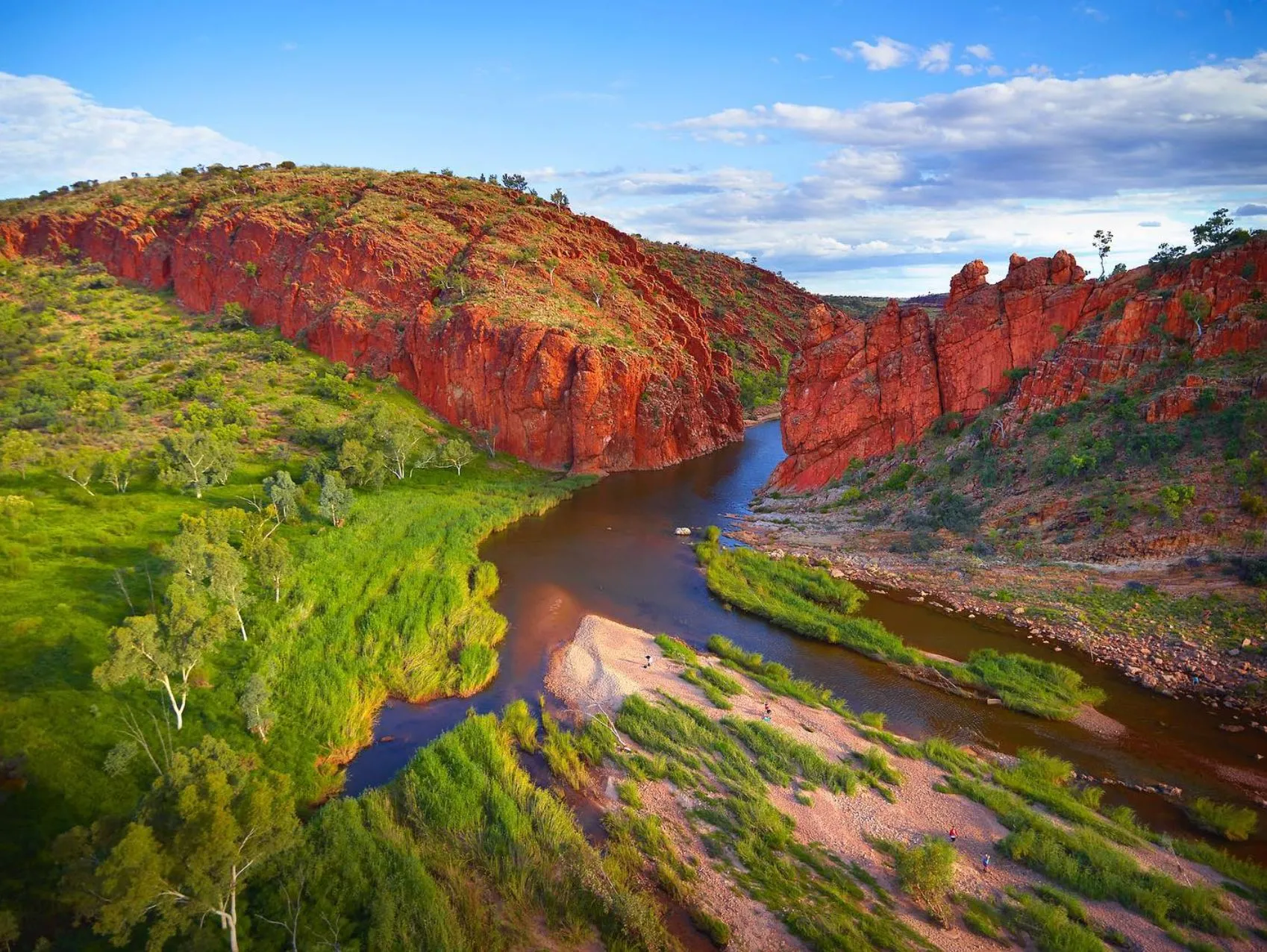
Every gorge and gap in the West MacDonnell Ranges has spiritual significance. Many are tied to ancient Aboriginal rock art and Dreaming stories passed down through generations. Some are open to visit; others are closed to swimming. When I guide through Ormiston or Serpentine, I always say this — waterholes aren’t just a cool spot to escape the outback sun. They’re living cultural landscapes. Swimming in the wrong one isn’t just disrespectful — it’s illegal under the Northern Territory Parks and Wildlife regulations.
The Park rangers work closely with Traditional Owners to balance visitor access with cultural protection. If a sign says “No Swimming,” it’s not a suggestion. It’s a request for respect.
The Science of the Springs
What makes these swimming waterholes special is the geology. The West Macs’ folded rock layers trap and channel water underground, creating permanent springs in an otherwise dry Australian outback. These microclimates are teeming with life. You’ll see native plants like ghost gums, spinifex and ancient cycads — relic plant species that have been here for millions of years. Birds fly in for a drink, euros rest in the shade and on the odd cool morning, you might even spot a dingo’s paw print in the sand.
Facilities and Comfort Stops
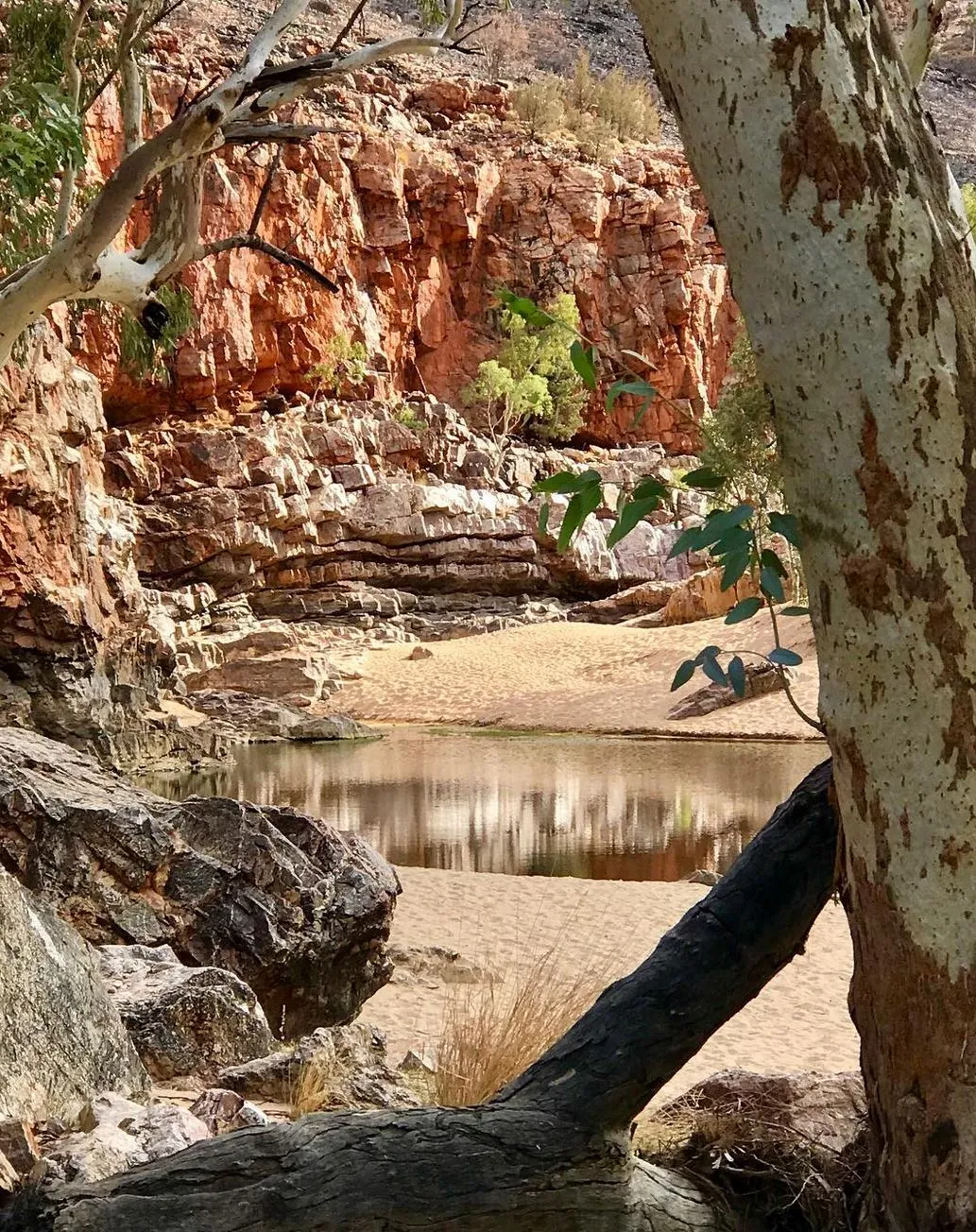
Most major gorges have basic facilities like public toilets, picnic shelters and car parks. Ormiston Gorge even has a small café and campground managed by Discovery Parks, which is handy if you’re on a longer circuit. Always bring your own rubbish bags — bins are limited — and leave no trace. If you’re self-driving, plan your stops carefully. Mobile reception is patchy at best, and there’s no fuel between Glen Helen and Hermannsburg. On guided tours like those run by Uluru Ayers Rock Tours, you’ll have an experienced driver who knows every track, tide and trick of the region.
Health and Environmental Precautions
The NT Parks service issues heat warning alerts during extreme weather. Always check their website or ask at the visitor centre before heading out. Swimming after recent rains can also stir up bacteria, so avoid entering the water if it’s murky or smells off. Never feed wildlife, use soaps or sunscreens directly in the pools or trample fragile vegetation near the banks. These ecosystems take centuries to form — one careless step can undo decades of recovery.
Essential Gear
- NT Parks Pass (online)
- 5L of water per person minimum
- Wide-brim hat and long sleeves
- Insect repellent (mozzies love dusk)
- Reusable drink bottle (no glass bottles)
- Bathers and a quick-dry towel
- Map or GPS (don’t rely on phone signal)
- First-aid kit and torch
Staying Croc-Wise and Culture-Smart
The West Macs are croc-free — that’s the good news. But the same rules apply: respect signage, listen to ranger station advice and don’t swim alone. Every year, there are rescues due to exhaustion, slips or poor planning. Local Aboriginal culture is all about balance — people and place in harmony. The best way to honour that is to travel lightly and respectfully.
The Bottom Line — Swim Smart, Stay Safe, Travel Deeper
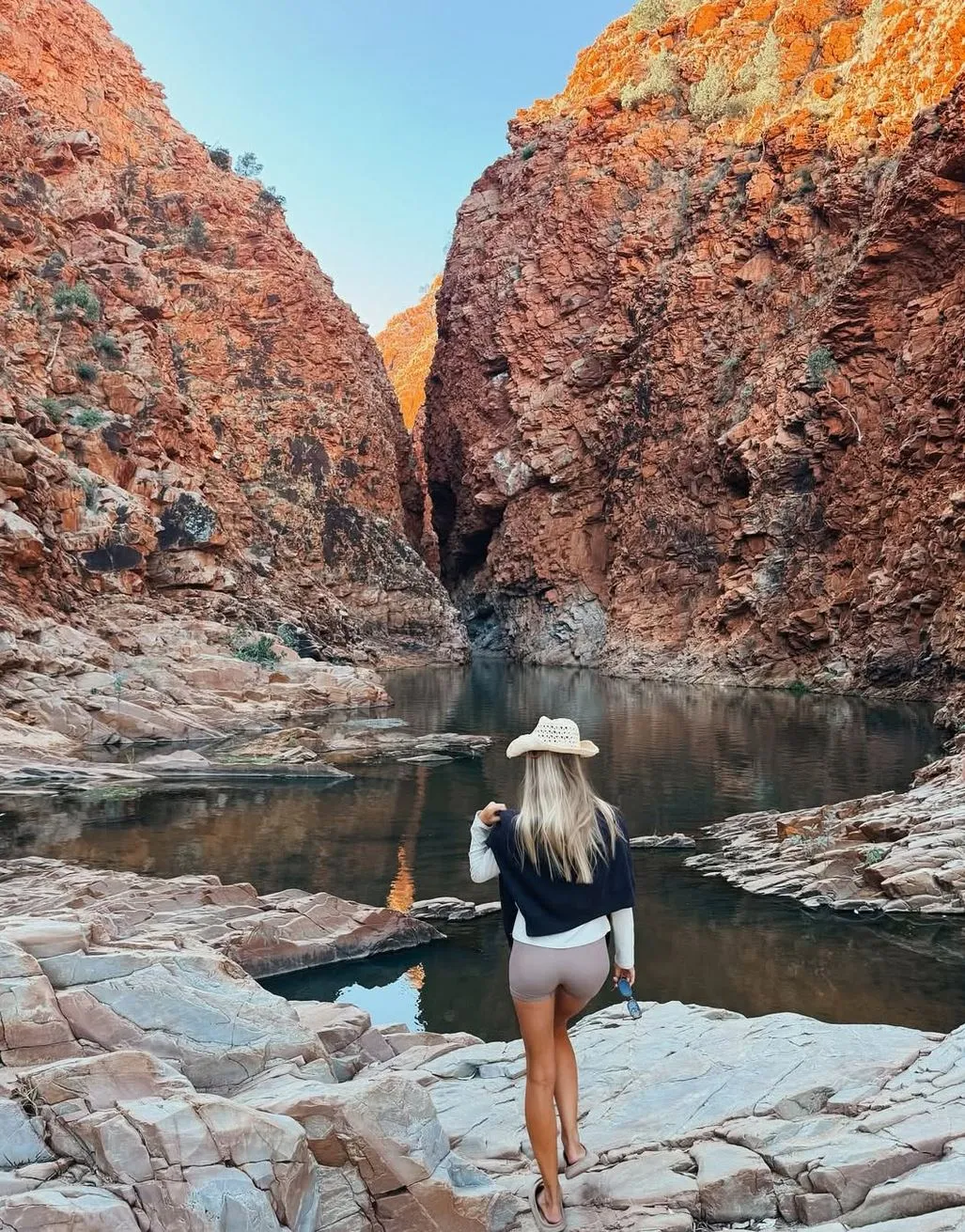
Swimming in the West MacDonnell Ranges is one of the best things to do in the Australian outback. From the chill of Redbank Gorge to the mirror calm of Ormiston, these swimming holes remind you that life exists even in the harshest of landscapes. But it’s a privilege, not a playground. So pack your sense of adventure, respect the Country, and check the forecast. The desert may look still, but it’s always alive beneath the surface.
If you’d rather skip the planning stress, join one of our Uluru Ayers Rock Tours. We handle the logistics — you handle the memories. And who knows, you might even find your own secret spot to cool off — safely, respectfully, and with a good yarn to tell.
FAQ
Can I swim at every gorge in the West Macs?
No, some like Serpentine Gorge and Simpsons Gap are sacred and closed to swimming. Always check with Park rangers or your guided tour operator first.
What time of year is best to swim?
The dry season (April–September) is the safest, most comfortable water temps and minimal flood risk.
Are there crocodiles in the West Macs?
No — it’s too far south for saltwater crocs. But always be cautious and follow local advice.
What facilities are near the waterholes?
Most main gorges have public toilets, picnic tables and parking. Some, like Ormiston Gorge, have a ranger station and café.
How do I swim responsibly?
Stick to designated swimming areas, no glass bottles and respect Aboriginal culture. Don’t enter sacred pools or disturb Indigenous artwork or wildlife.